Where asbestos hides in homes
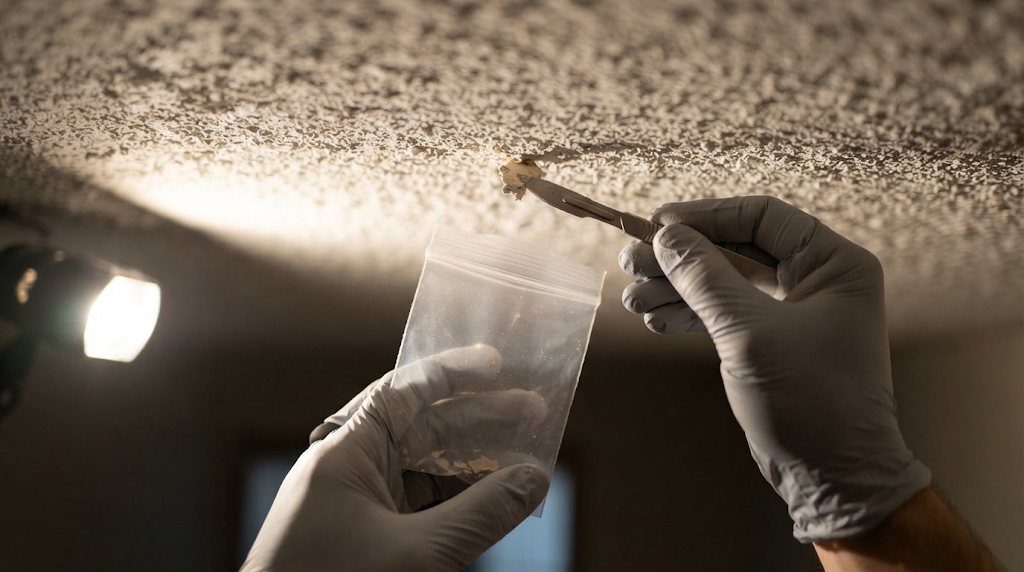
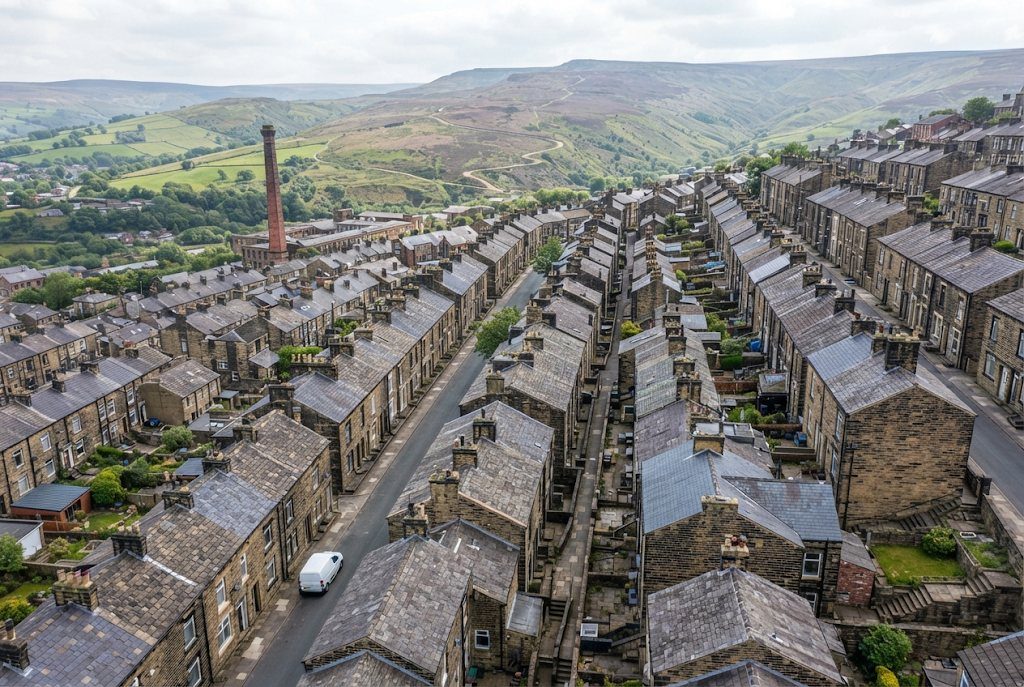
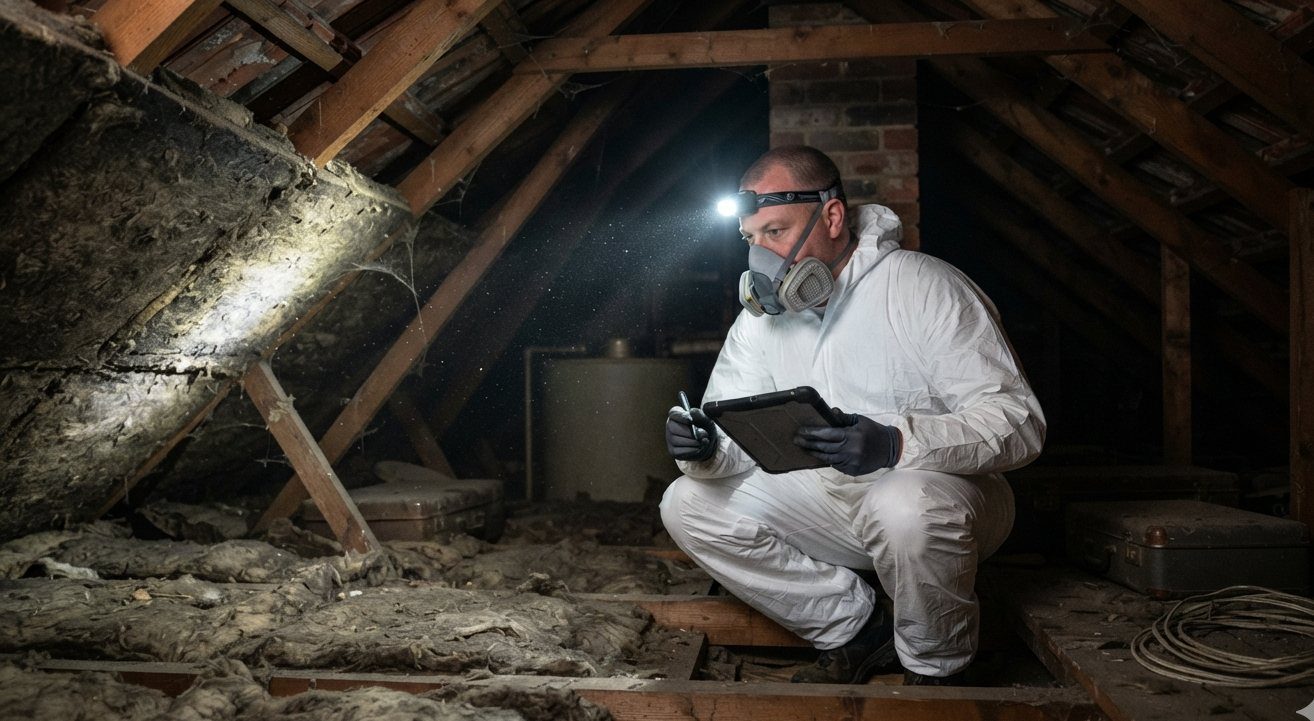
Asbestos was used in homes in many ways until the late 1990s. Common examples include textured coatings on ceilings and walls, vinyl floor tiles and their adhesive, cement garage and shed roofs, cement soffits and fascias, flue pipes, water tanks, around boilers and fuseboards, and insulating board used in airing cupboards, porches and partitions. White, brown and blue asbestos all appear in older housing, and 1930s semis, post-war estates and 1960s-80s houses are all within the risk period.
Asbestos in good condition and left alone is a low risk. The danger comes when fibres are released by drilling, sanding, scraping or breaking, which is why surveys matter before DIY and renovation more than at any other time.
We focus on commercial and industrial buildings. If you have a home, flat or garage roof, choose that option on the form and we will say whether we can help.
Which survey does a homeowner need
Homeowners have no general legal duty to carry out an asbestos survey of their own home, though the duty to manage does apply to the shared parts of purpose-built flats and similar. In practice most residential surveys are requested before work starts. If the work will disturb the fabric, such as a kitchen or bathroom refit, an extension, loft conversion, knocking through, or re-roofing, a refurbishment and demolition survey of the affected area is the right type. If you simply want to know what is in the house, a management survey covers the accessible rooms, loft and outbuildings.
Landlords of single dwellings and private rented homes should consider a survey before any works between tenancies, because contractors are legally required to consider asbestos before work begins.
What to expect
The surveyor will walk the property, photograph suspect materials, take small samples where needed, and ask you what work is planned. The visit is usually a few hours. Samples are analysed by a laboratory, and you receive a written report listing what was found, where, and what to do about it. The report is yours to give to your builder or architect.
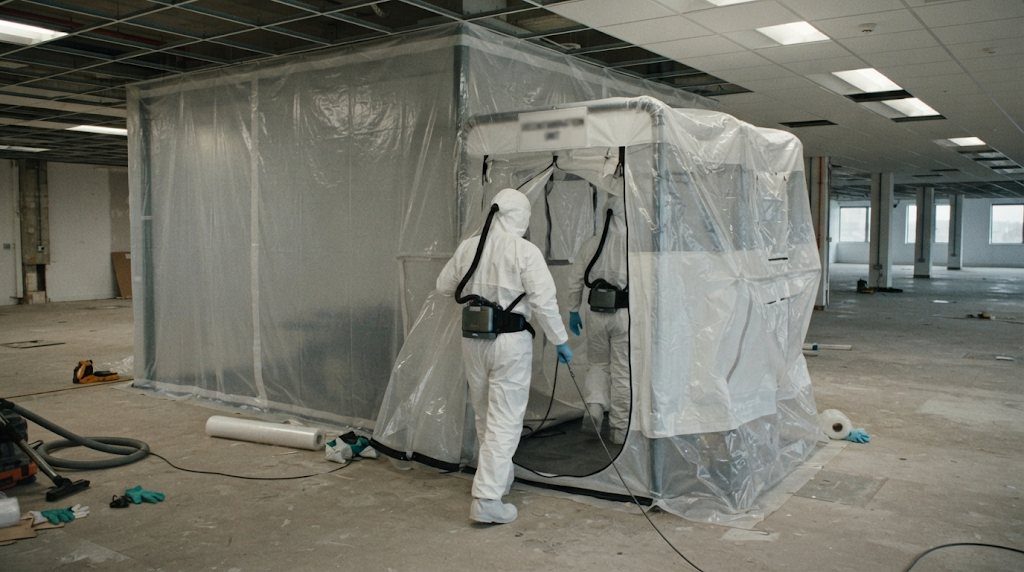
If the survey finds asbestos that has to be removed, we can connect you with licensed removal contractors for a quote. If it finds asbestos that is in good condition and not in the way, the answer is often to leave it, label it and tell anyone working on the house about it.
Photos can help us help you
On the enquiry form you can attach up to five photographs of the area or material you are concerned about. This lets the surveyor judge the scope in advance. Photos are not a substitute for sampling, because asbestos cannot be identified by eye, but they help us give you a realistic idea of what is needed.